

The hidden side of meat consumption: What nobody wants to see

When we think about meat consumption, we usually think about the final product: the filet at the butcher shop, the ground beef on the supermarket shelf, or the steak on a plate. But behind that there is another side of the system; one that is less visible, less attractive, but absolutely essential.
A few months ago, I visited INSUGRA, a rendering facility located in Mataderos (which literally means “slaughterhouses” in English), a neighborhood of Buenos Aires City, Argentina. The name itself tells part of the story: this area has historically concentrated slaughterhouses and meat processing facilities that supplies the city.
Rendering is the process of transforming animal by-products that are not intended for human consumption into valuable resources. Through heat treatment and separation processes, materials such as fat, bones, and meat residues are converted into stable products that can return to productive value chains. Rendering plays an important role in the circular economy by recovering nutrients and energy from organic materials that would otherwise become waste.
In Argentina, rendering is a well-established industry with more than a century of history. The Livestock By-products Chamber of the Buenos Aires Stock Exchange was founded in 1921, reflecting the economic relevance and long tradition of this sector in the country. Beyond waste management, this industry represents a circular economy model that connects urban systems, agriculture, energy, and manufacturing sectors.
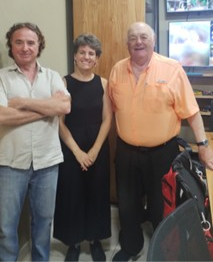
From left to right: Gustavo Seisdedo (consultant for CCAP), Luz Ledesma (CCAP) and Mr. Rossoti, owner of the rendering company. Source: CCAP
Since 1970, INSUGRA has been recovering animal by-products in the same location. Decades ago, Buenos Aires had around 17 rendering facilities near INSUGRA. However, as the city became denser and urban dynamics changed, most of them moved outside of the city limits to more industrial areas. Today, INSUGRA is one of the last remaining facilities of its kind in the city. Nationwide, Argentina has around 30 rendering plants.
Every day, the plant receives around 150 tonnes of fat, bones, and meat residues from butcher shops across Buenos Aires.
The collection system is also part of this economy. In Argentina, independent collectors known as “ceberos” (cebo means fat in Spanish) collect these residues from butcher shops. Historically an informal activity, this value chain becomes traceable when materials enter the facility: trucks are weighed, the material is registered, and collectors receive payment.

Ceberos in action! Source: CCAP
Because these residues degrade extremely quickly, the facility operates 24 hours a day, seven days a week. Once inside, the material enters a rendering process where the liquid fraction (tallow) is separated from the solid fraction (meat and bone).
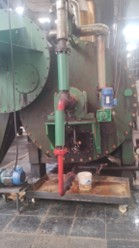
Biodigestor were the by products are segregated. Source: CCAP
The result is resources that INSUGRA produces two main products: Tallow, Meat and bone meal
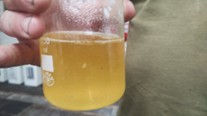

Both are used as inputs by national industries, including biodiesel production, cosmetics and personal care products, pet food, fertilizers, and mining supplies.
Rendering facilities are not always socially accepted. They generate odors and often face public resistance because they deal with the part of consumption that society prefers not to see.
But this raises an important policy question: what would happen if these 150 tonnes per day were not recovered?
Without this infrastructure, these materials would likely end up in the metropolitan landfill system. According to UCLA’s STOP Methane Project, based on Carbon Mapper data, the CEAMSE landfill, which handles the greater Buenos Aires city solid waste, has been identified among the top methane-emitting landfill sites analyzed globally.
Using a preliminary estimation with the City of Buenos Aires EPA greenhouse gas calculation tool, diverting these residues from landfill disposal could avoid approximately 443 tonnes of methane emissions, equivalent to around 12,400 tonnes of CO₂e per year. That’s like keeping almost 3,000 cars off the road every year.
While this is a simplified estimation, it shows the magnitude of the climate benefits that can come from recognizing and strengthening existing organic waste recovery systems.
Circular economy and methane mitigation is not only about the clean and attractive solutions we like to show. It is also about designing systems capable of managing complex materials, creating value from what we discard, and recognizing the infrastructure and people that make resource recovery possible.


